A Phrase Worth Unpacking
Restaurant menus are full of language that sounds compelling but rarely gets examined. Cherry Amber's positioning statement—wok fired daily, made to share, modern Long Island point of view—is worth taking seriously, because each of those three phrases does genuine work in explaining what the kitchen is trying to accomplish. Together they describe not just a list of dishes but a particular relationship between classical Asian technique, contemporary dining habits, and a specific suburban audience on Long Island.
The "Modern Long Island" framing is the most interesting of the three. Long Island's dining culture has always been shaped by proximity—close enough to New York City to absorb its restaurant trends, but suburban enough to have its own pace and expectations. A weeknight table in Plainview is different from a dinner in Flushing or the East Village, and a kitchen that acknowledges that distinction is making a meaningful choice. Cherry Amber isn't importing an unchanged urban concept; it's adapting pan-Asian cooking to a community that might arrive as a family of four on a Tuesday, a group of friends on a Friday night, or a couple looking for a Saturday lunch before a bento box to go.
The Menu as an Argument
The breadth of Cherry Amber's menu is itself a statement. Categories span dim sum and small plates, wok-fired entrées, hibachi, the signature "Wok N' Grill" section, sushi starters, à la carte sushi and sashimi, chef special rolls, classic and hand rolls, noodles, soups, salads, and appetizers. That scope could read as unfocused—pan-Asian menus sometimes fall into the trap of doing everything passably rather than a few things memorably. But at Cherry Amber the organizing principle isn't geography or tradition; it's the made to share philosophy.
Sharing formats change how you eat. When dim sum and small plates sit alongside chef special rolls and wok-fired entrées, the expectation shifts away from each person ordering a single protein with sides and toward a table that assembles a meal collaboratively. That's a culturally specific reading of pan-Asian dining—one that borrows from the communal logic of Chinese family-style service and the omakase spirit of a sushi bar, then blends them into something that suits a Long Island table where not everyone wants the same cuisine on the same night.
Lunch service reinforces this practical flexibility. Monday through Friday (excluding holidays), the menu offers Kitchen Lunch Specials, Noodle and Fried Rice Lunch, Lunch Bento Boxes, and a dedicated Japanese Lunch section—formats that serve office workers, local residents, and families differently within the same 11 AM to 3:30 PM window.
Wok-Fired as a Technical Commitment
The phrase "wok fired daily" carries more weight than marketing copy might suggest. Wok cooking requires high heat—significantly higher than most home stoves can produce—and the woh hei (breath of the wok) that results from cooking at temperature is a flavor quality that can't be replicated by braising or low-and-slow methods. Committing to that technique daily means the kitchen is built around maintaining the right equipment and training, not just listing stir-fry dishes on a menu that happens to have a wok somewhere in the back.
For a Plainview diner, this matters because it's the difference between Chinese-American food that tastes like it came from a steam table and Chinese food where the vegetables have char, the proteins have sear, and the sauce coats rather than drowns. The Wok N' Grill signature entrées and the broader kitchen entrée section reflect this commitment to live-fire technique, while hibachi adds another dimension of table-side theater that connects the cooking method to the experience of watching it happen.
Sushi, by contrast, operates on entirely different principles—precision, temperature, the quality of raw fish and rice. The menu notes that à la carte sushi is listed as one piece and sashimi as two pieces, a detail that reflects the traditional Japanese service logic of portioning for taste and sequence rather than volume. Some sushi dinner entrées come with soup or salad, bridging the Japanese tradition of a composed meal with the Western expectation of a complete plate. That bridging is itself a "Modern Long Island" move: honoring the source tradition while making it accessible to diners who didn't grow up eating in a Tokyo kaiseki.
Sharing a Table Across Traditions
What ultimately holds a menu this wide together is the conviction that people who arrive at a restaurant together don't always want the same thing—and that a kitchen confident enough in its range can serve a table where one person is ordering dim sum, another is building a sushi selection, and a third wants a wok-fired entrée. Cherry Amber's experiences beyond the main menu—weekend brunch, a hands-on seafood boil, private events—extend the same logic into different formats and occasions.
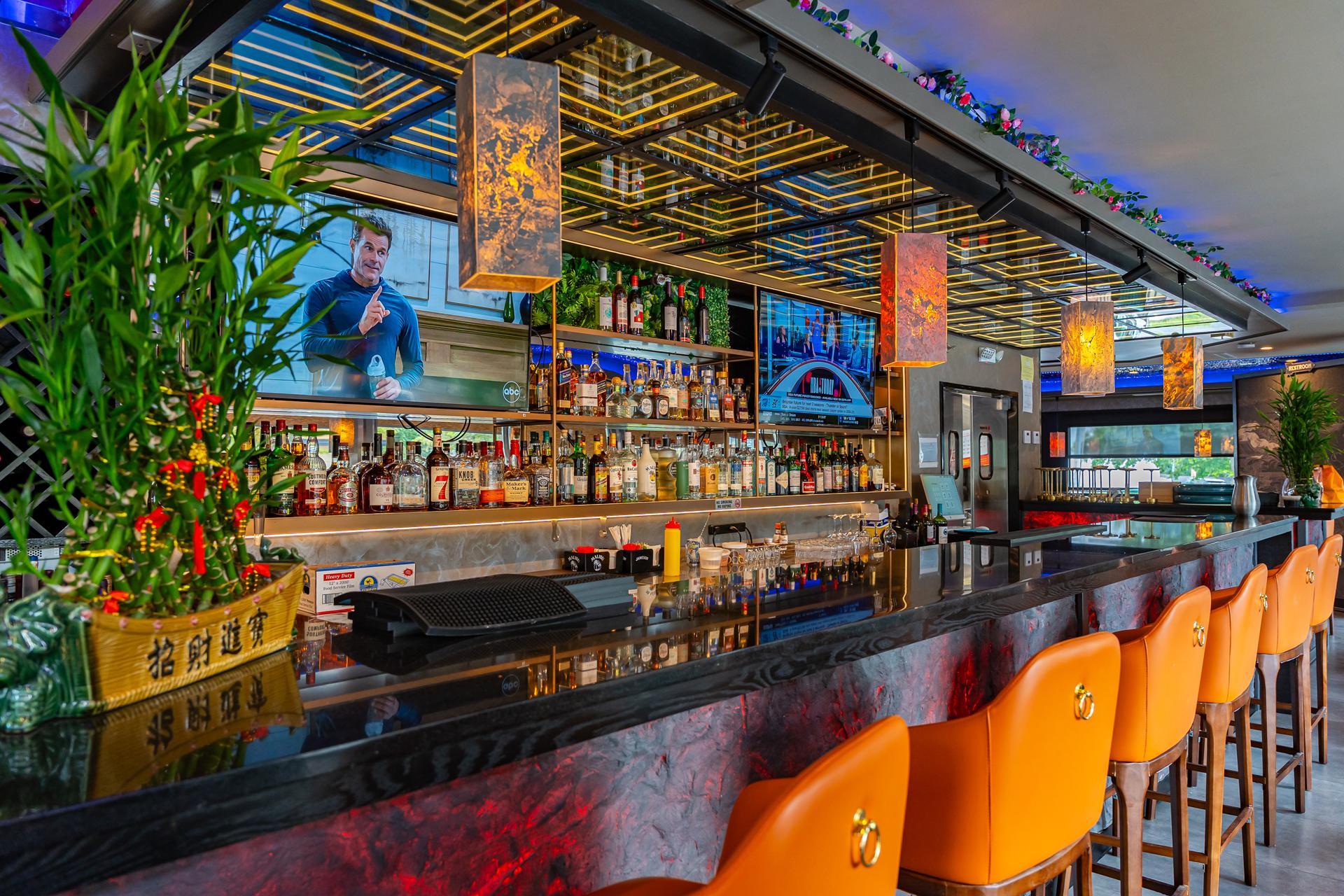
The happy hour at the bar, available daily from 12 PM to 6 PM, is part of this picture too. A bar program anchored to the same pan-Asian kitchen creates continuity between a lunchtime visit and an after-work stop, between a solo bento and a group celebration.
A "Modern Long Island point of view" turns out to mean something specific: the belief that a suburban dining room can hold multiple Asian culinary traditions simultaneously, serve them with technical care, and present them in formats—shared plates, bento boxes, sushi selections—that make sense for how Long Islanders actually eat. The phrase isn't aspirational filler. It's a description of the choices the kitchen makes every day.
Frequently asked questions
What does 'Modern Long Island point of view' mean at Cherry Amber?
It reflects the kitchen's approach of adapting pan-Asian and Chinese cooking traditions—wok-fired technique, dim sum, sushi, hibachi—into formats and sharing styles suited to Plainview's suburban dining culture, rather than simply transplanting an urban concept unchanged.
Does Cherry Amber's menu lean more Chinese or more Japanese?
The menu spans both traditions meaningfully. Chinese influences appear in dim sum, small plates, and wok-fired and hibachi entrées; Japanese traditions anchor the sushi bar, with à la carte sushi, sashimi, chef special rolls, and Japanese lunch options all listed separately.
What is the 'made to share' philosophy at Cherry Amber?
It means the menu is structured so that a table can order across categories—dim sum, sushi, wok-fired entrées—and eat collaboratively, rather than each diner choosing a single dish. This borrows from both Chinese family-style service and the broader spirit of sushi bar dining.
Does the wok-fired commitment affect specific dishes?
Yes. The Wok N' Grill signature entrées and the broader kitchen entrées section are built around live-fire wok cooking, which produces different flavors—char, sear, and sauce texture—than steamed or slow-cooked preparations.
Are there lunch options at Cherry Amber that suit different needs?
Lunch runs Monday through Friday from 11 AM to 3:30 PM (holidays excluded) and includes Kitchen Lunch Specials, Noodle and Fried Rice Lunch, Lunch Bento Boxes, and a Japanese Lunch section, offering variety for solo diners, families, and groups.
Sources
- Brand positioning and selling points — www.cherryamberny.com
- Sushi service specifics — www.cherryamberny.com
- Local experiences and offerings — www.cherryamberny.com