The Notice on the Menu—and Why It's Worth Reading
At the bottom of Cherry Amber's menu, tucked between the sushi listings and the sashimi plates, sits a statement that deserves more attention than most diners give it. The restaurant's official menu advisory states that some items are raw or undercooked and may contain raw meat, fish, shellfish, or fresh shell eggs, and that consuming such items may increase health risk. It also directs anyone with a food allergy to speak with the owner, manager, chef, or server before ordering.
That isn't boilerplate buried in fine print—it's practical guidance for navigating a genuinely broad menu. Cherry Amber operates as a modern Chinese and pan-Asian kitchen in Plainview, NY, blending sushi, sashimi, dim sum, hibachi, and wok-fired cooking under one roof. That range of cooking styles means the kitchen handles raw protein formats that vary widely in how they are prepared, held, and served. Understanding what the advisory covers—and what steps it recommends—can shape a safer, more confident meal.
Which Menu Sections Involve Raw or Undercooked Ingredients
Cherry Amber's menu is organized into distinct sections, and the raw-ingredient advisory doesn't apply equally to all of them. The clearest candidates are within the sushi and sashimi program.
The menu notes that à la carte sushi is listed as 1 piece and sashimi as 2 pieces, with some sushi dinner entrées served alongside soup or salad. Those distinctions matter when you're thinking about raw fish consumption, because sashimi—by definition—is served without rice and involves pure, unadorned raw fish. If your concern is minimizing raw protein intake, or if you're pregnant, immunocompromised, elderly, or serving a young child, those portions of the menu deserve extra scrutiny.
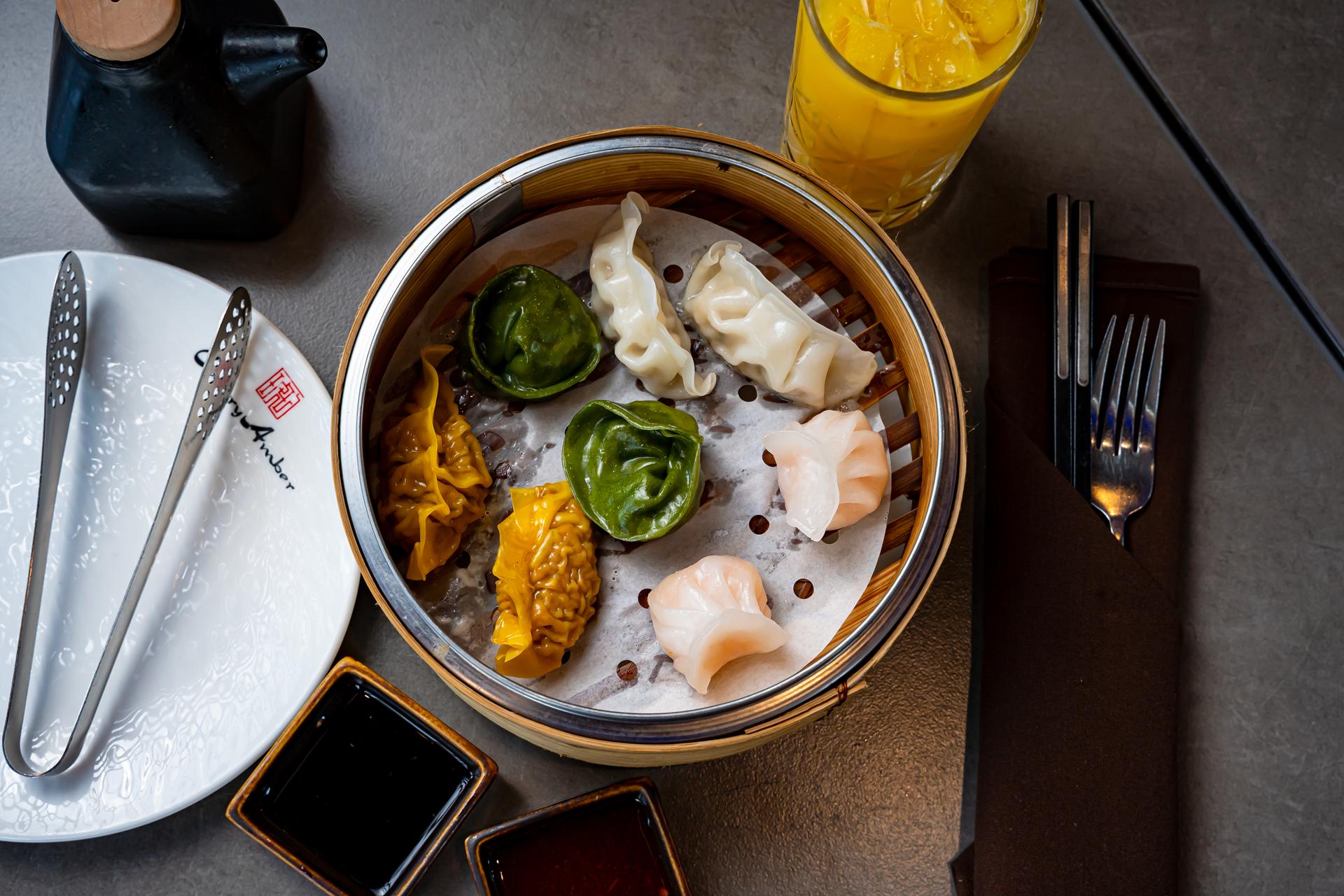
Beyond the sushi bar, the advisory's mention of fresh shell eggs and raw shellfish points to dishes that can appear outside the obvious sushi context. Certain dim sum preparations, cold appetizers, or shellfish-focused dishes may involve minimally cooked or raw components. Cherry Amber's menu includes a dedicated seafood boil experience and shellfish preparations, so guests who react to shellfish should treat those sections of the menu with the same care they'd apply to the sushi listings.
The chef special rolls and classic/hand rolls categories also belong in this conversation. Creative rolls frequently layer raw fish with sauces, garnishes, and toppings that can obscure the raw component visually. If a guest is unaware that a roll contains raw tuna or raw scallop, the advisory becomes the critical line of defense.
How the Allergy Protocol Works—and How to Use It
The menu's language is direct: guests with food allergies should speak with the owner, manager, chef, or server before placing an order. This isn't an unusual instruction for a restaurant operating across multiple cuisines, but it's worth unpacking what that actually looks like at a table.
Cherry Amber's kitchen produces wok-fired dishes, hibachi preparations, dim sum, sushi rolls, and noodle plates within a single service. Shared equipment, shared prep surfaces, and shared sauces are inherent to high-volume Asian fusion cooking. Common allergens—soy, sesame, shellfish, tree nuts, wheat, eggs, and fish—appear across virtually every section of the menu. A dish that looks straightforwardly vegetable-based may be finished with an oyster sauce or a sesame oil drizzle. Informing a server of an allergy at the start of the meal, rather than mid-order, gives the kitchen the best opportunity to accommodate or flag conflicts.
The restaurant's own guidance elevates this conversation to include the chef or manager, which signals that allergy questions are taken seriously enough to involve kitchen leadership. If your allergy is severe or anaphylactic in nature, asking to speak directly with a manager before ordering is fully consistent with what Cherry Amber's menu itself recommends.
Guests attending during the lunch service—available Monday through Friday from 11 AM to 3:30 PM (excluding holidays)—can use that lower-volume window as an advantage. Lunch bento boxes and lunch specials are often served in a more contained format, which can make it easier to confirm ingredients with the team before committing to a combination.
Practical Steps Before Your Next Visit
For guests who want to enjoy Cherry Amber's sushi bar, shellfish boil, or dim sum without uncertainty, a few habits make a meaningful difference:
- Lead with your allergy or dietary restriction at the start of the interaction, not after reviewing the menu. Servers can filter recommendations before you settle on dishes.
- Name specific allergens clearly. Saying "I'm allergic to shellfish" is more actionable than "I try to avoid seafood." The kitchen needs precision to respond accurately.
- Ask about hidden ingredients in sauces and marinades. Wok-fired and hibachi dishes routinely use soy-based sauces, and many Asian condiments contain sesame or fish derivatives.
- For raw fish specifically, ask your server which rolls contain raw versus cooked fish. Many chef special rolls mix both, and the distinction isn't always obvious from the menu name alone.
- If you are pregnant or otherwise in a higher-risk group for foodborne illness, review the sushi and sashimi sections with your server and consider focusing on fully cooked hibachi or wok entrées, which represent a substantial and well-developed part of Cherry Amber's kitchen.
Cherry Amber's approach—offering guests the specific instruction to consult staff before ordering—reflects a kitchen aware of its own complexity. The same breadth that makes the menu exciting, spanning from hand rolls to wok-fired noodles to dim sum small plates, is what makes that advisory genuinely useful rather than ceremonial. Reading it, and acting on it, is the most practical step any guest with an allergy or sensitivity can take before the first dish arrives.
Frequently asked questions
Does Cherry Amber serve raw fish and sashimi?
Yes. Cherry Amber's menu includes sushi, sashimi, and chef special rolls that may contain raw fish or shellfish. The menu itself notes that some items are raw or undercooked and that consuming them may increase health risk.
What should I do if I have a food allergy before ordering at Cherry Amber?
Cherry Amber's menu specifically advises guests with food allergies to speak with the owner, manager, chef, or server before ordering. Informing your server of any allergy at the very start of the meal gives the kitchen the best opportunity to help.
Which menu sections at Cherry Amber are most likely to contain raw ingredients?
The sushi starters, sushi and sashimi listings, chef special rolls, and classic/hand rolls are the most obvious sections. Fresh shell eggs and raw shellfish referenced in the advisory may also appear in certain dim sum, appetizer, or seafood dishes.
Does Cherry Amber accommodate severe or anaphylactic allergies?
The menu directs allergy concerns to the owner, manager, chef, or server, which suggests kitchen leadership can be involved in allergy accommodation. Guests with severe allergies should ask to speak with a manager before ordering to discuss specific needs.
Are there fully cooked options at Cherry Amber for guests avoiding raw fish?
Yes. Cherry Amber's menu includes kitchen entrées, hibachi dishes, Wok N' Grill signature entrées, wok-fired noodles, soups, and other fully cooked preparations that do not involve raw fish or shellfish.
Is Cherry Amber's sashimi served as individual pieces?
The menu lists à la carte sushi as 1 piece and sashimi as 2 pieces. Some sushi dinner entrées are also served with soup or salad. Asking your server for exact portion and preparation details before ordering is always advisable.
Sources
- Sushi service specifics — www.cherryamberny.com
- Brand positioning and selling points — www.cherryamberny.com
- Local experiences and offerings — www.cherryamberny.com